
The flight over was long, but my excitement was a palpable thing, buzzing beneath my skin. I was on my way to Vietnam, a country I’d dreamed of seeing for years. I wasn’t traveling solo this time; my partner and I had joined a small group of twenty other people, most of the other travellers were white Australians. We’d all taken advantage of a deal we had seen online.
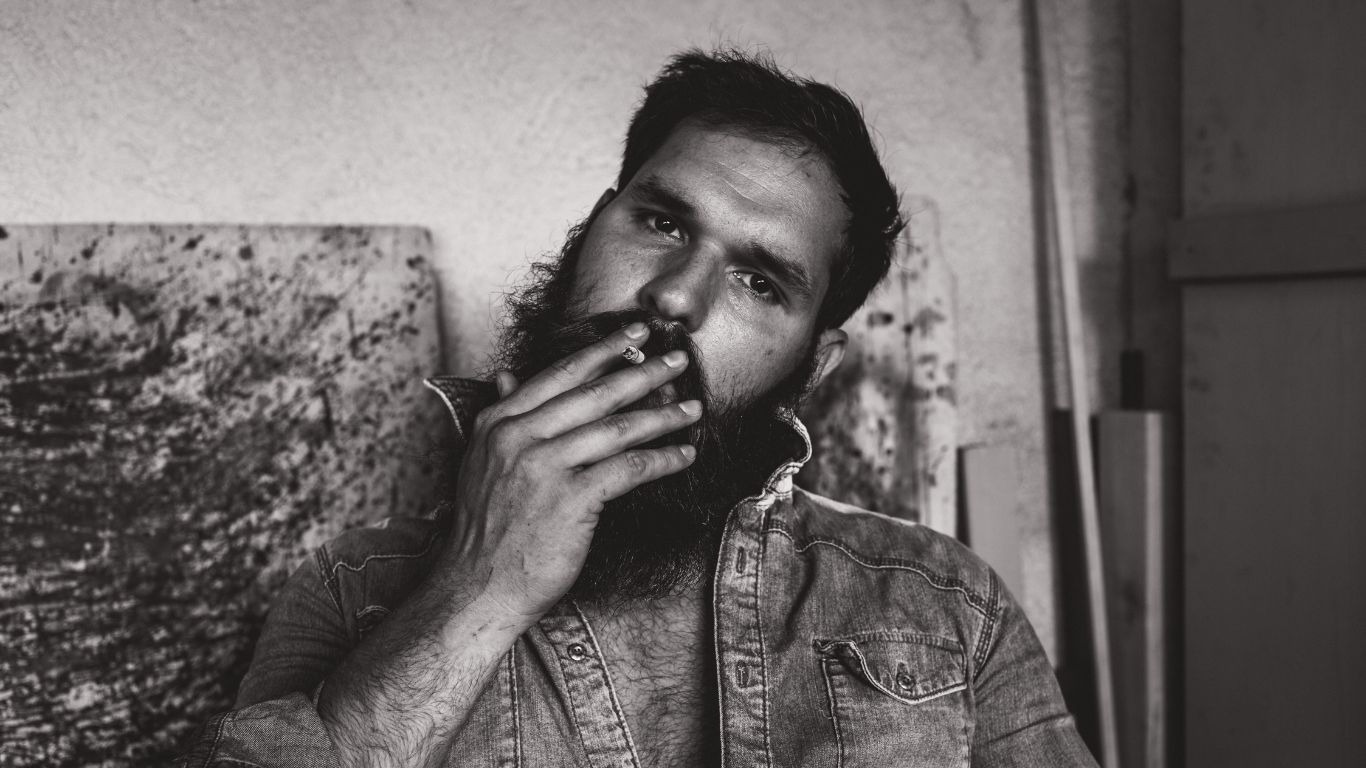
As a brown guy, I’m used to a certain level of awareness when I travel. It’s a silent checklist that runs in my head: Will I stand out? Will people be curious? Will they stare? For my new travel mates, those questions didn’t seem to exist. They were simply Australians—friendly, confident, and ready to explore. Most people around the world know Australians are seen as easy-going and a bit boisterous, but their strong passport and English-speaking background often mean the world opens up for them with little friction. They were there for a “meaningful cultural adventure”. I was there for the same thing, but I was also constantly processing an “unspoken itinerary”.
The first instance came from one of my travel companions. She was loud and curious, and when we were swimming in the hotel pool, she asked about my background. It was the same familiar question I get at home, but with a slight twist. She asked when I had moved from New Zealand to Australia. I wasn’t surprised by the assumption; I am a large brown man, and the popular media image of a New Zealander, with their Māori heritage and distinct accent, is common. But her question was also a subtle misidentification, an assumption based on a stereotype rather than an open mind. I calmly explained that I wasn’t from New Zealand, and that I was Indigenous and from Australia.
Her reaction, however, stopped me in my tracks. A look of genuine shock crossed her face as she responded, “But you don’t look Indigenous, and you don’t have the accent.” The comment was a classic microinsult, a remark that may have been unintentional but nevertheless demeaned my heritage by suggesting I didn’t fit her preconceived notion of what an Indigenous person should be . For her, my articulation and my appearance were at odds with a stereotype she held, and it made her uncomfortable. It was the kind of brief, everyday exchange that sends a “denigrating message” without the person even realizing it. It’s a small thing, but each one “can wear you down” and make you feel like you’re constantly in a box you’re “trying to get out of” .
A few days later, another woman in the group,, asked me about my heritage in a group setting. She said it was “so hard to tell” what I was, and I once again felt the familiar burden of having to be an ambassador for my race. I began to tell her I was Indigenous, and her demeanor changed immediately. Her open curiosity faded, replaced by a sudden stiffness. I tried to explain a bit more about my background, but she abruptly got up, said she needed to go for a swim, and quickly exited the venue. She never returned to our table.
This wasn’t a malicious act, but it was far more jarring. It was a microinvalidation—an action that negated my experience and seemed to make her so uncomfortable that she literally had to flee the conversation . For her, my identity was something to be consumed as a piece of an exotic puzzle until it became too real and too complex. As a person of color, you quickly learn to recognise these “trap door” moments where you believe you’re on solid ground in an interaction, only for a casual comment to thrust you back into the reality of living in a world of racial assumptions. Her discomfort with my reality was more important than her desire to connect with me as a person.
These incidents, small as they may seem, are part of the unspoken itinerary of travel for people of color. For my white Australian companions, their journey was about seeing the world. For me, it was also about the world seeing me, and judging me, and trying to categorise me. I was constantly processing a dual reality: the external experience of seeing beautiful temples and eating amazing food, and the internal, quieter experience of navigating the psychological and emotional weight of being a representative of my race. It’s a journey that comes with a “silent tax,” a perpetual state of vigilance that can make it difficult to simply relax and be spontaneous. My tour group was able to enjoy the trip unburdened by these concerns, “blissfully unaware” of the underlying currents that shaped my own experience.
The experience was a testament to the idea that a person of color’s journey is not the same as a white person’s, even if they’re standing in the same location. The differences aren’t always loud or confrontational; they’re subtle, ambient, and psychologically corrosive. It’s the feeling that you are a representative of your race, an ambassador for your culture, while your white companions are allowed to simply be individuals.
Despite all of this, I wouldn’t trade the trip for anything. I made friends, saw some of the most breathtaking landscapes of my life, and, most importantly, I learned a lot. I learned that travel for me will always be a dual experience: one of exploration and joy, and the other of quiet resilience and self-awareness. It’s a journey that has an invisible layer to it—a silent tax that only a person of color has to pay. But I also learned that I have the emotional fortitude to pay it and still find joy in the adventure.